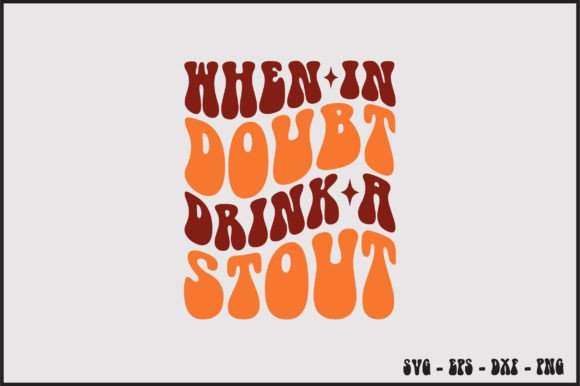
When in Doubt Drink a Stout Retro Svg Review
As someone who has spent years turning digital files into tangible, stitched products for clients and craft fairs, I approach every new design with a mix of excitement and skepticism. You never know if a file will translate beautifully from the screen to the fabric until you actually run it through the machine. Today, I am evaluating When in Doubt Drink a Stout Retro Svg, a design that promises a blend of vintage charm and modern wit. This review focuses on how this specific embroidery file performs in real-world scenarios, from custom apparel to boutique merchandise.
The First Impression: Mood and Visual Personality
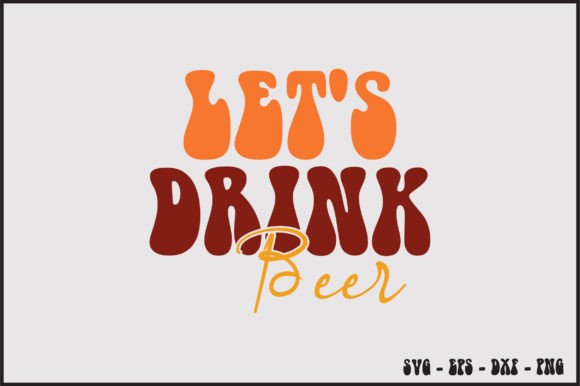
Upon opening the download package, the first thing that strikes me about When in Doubt Drink a Stout Retro Svg is its immediate atmospheric pull. It isn't just text; it carries a distinct retro vibe that feels nostalgic yet fresh. The typography suggests a classic beer label or a vintage diner sign, which gives the design a built-in personality before a single stitch is placed. For an embroidery designer, this is crucial because the visual weight of the letters dictates how they will interact with the fabric texture.
The layout appears balanced, likely designed to sit comfortably within standard hoop sizes without feeling cramped. In the world of machine embroidery design, spacing is everything. If the kerning (space between letters) is too tight, the satin stitches will crowd each other, creating a muddy look. If it is too loose, the design loses its impact. Based on the preview, this file seems to strike a happy medium, making it a strong candidate for a finished product that needs to catch the eye immediately. It feels like a design that belongs on a handmade product meant to be worn with pride or displayed as a piece of decor.
Real-World Application: From File to Finished Product
Let's imagine a concrete scenario. I have a client who runs a small shop specializing in cozy, artisanal gifts. They need a unique item for their holiday collection. They are looking at a heavy-duty canvas tote bag or perhaps a soft sweatshirt for a local brewery event. This is where When in Doubt Drink a Stout Retro Svg shines.
On a tote bag, the design would serve as a perfect focal point. The retro aesthetic pairs naturally with the rugged texture of canvas, allowing the embroidery thread to stand out while complementing the material. The phrase itself invites conversation, making it an excellent choice for an embroidered patch or a statement piece on a kitchen towel. For a baby item, such as a onesie or a bib, the playful tone works well, provided the size is scaled appropriately. However, for a commercial embroidery project intended for mass production, the versatility of this graphics asset is what matters most.
I also considered using this file for a cap. Curved surfaces like hats present unique challenges. The curvature can distort lettering if the digitization isn't precise. While the retro style often accommodates slight curves gracefully, one must be careful with the height of the letters to ensure they don't bunch up at the peak of the hat. If the design includes any decorative elements around the text, those need to be checked for clarity when wrapped around a curve.
Where Caution is Required
No design is universally perfect, and understanding the limitations is key to professional results. There are specific situations where When in Doubt Drink a Stout Retro Svg might require extra attention or might not be the ideal choice.
First, consider small hoop sizes. If you are working on a tiny accessory, like a keychain or a small lapel pin, the detail level of the text might get lost. Tiny lettering in embroidery often suffers from thread bleed, where the ink-like precision of a digital file becomes a fuzzy blob of thread. If the design includes fine serifs or intricate curves in the "Retro" font style, these could become indistinct on a small scale.
Secondly, fabric choice plays a massive role. On stretchy fabrics like jersey knit t-shirts, high stitch density can cause puckering. If the design requires a dense fill stitch to achieve that solid retro look, you will need a robust stabilizer system to keep the fabric flat. Thin fabrics are equally risky; the tension required to stitch the design down could tear delicate materials. Dark fabrics present another hurdle. To make the colors pop, you may need to use a backing layer or adjust the thread colors significantly, otherwise, the design might appear dull against a black or navy background.
Additionally, products that undergo frequent washing, such as aprons or work shirts, demand durability. If the design relies on long running stitches for details, these are prone to snagging or fraying over time. A satin stitch border usually offers better protection, but you must verify how the file is constructed before committing to a high-volume order.
Practical Designer Notes for Execution
Before you rush to start your next embroidery project, there are several technical steps you should take to ensure success. My experience tells me that skipping these checks is the fastest way to ruin a customer's gift or waste expensive materials.
- Test on Scrap Fabric: Always run a test stitch-out on a scrap piece of the same fabric you intend to use. This reveals how the thread tension interacts with the material grain and helps you spot potential puckering issues early.
- Check Thread Color Contrast: Evaluate the color palette against your chosen fabric. High contrast is generally safer for readability, but sometimes a tonal look is desired. Ensure the thread colors selected enhance the retro mood rather than fighting it.
- Review Stitch Density: Look closely at the fill areas. Are they too dense? If so, the fabric might pucker, or the thread might break frequently. Adjusting the density in your software can save the design.
- Confirm Hoop Size: Make sure the dimensions of When in Doubt Drink a Stout Retro Svg fit your intended hoop size comfortably. Leaving enough margin around the edge prevents the machine from catching the fabric edges.
- Inspect Small Details: Zoom in on the digital file. Are there any tiny dots or thin lines that might disappear during stitching? These are common pitfalls in SVG to embroidery conversions.
- Mockup Testing: Use printable mockups to visualize the final product. Seeing the design in black and white on a mockup of a sweatshirt or tote bag can help you judge the visual weight better than looking at the raw vector file.
- Licensing Check: Since this is a digital product used for Crafts and Graphics, confirm the licensing terms. Do you have the right to sell finished items made with this design? This is critical for Etsy sellers and small business owners to avoid legal issues.
Final Thoughts on Value and Appeal
In conclusion, When in Doubt Drink a Stout Retro Svg feels like a versatile tool in the arsenal of any creative entrepreneur. It has the potential to elevate a simple tote bag into a trendy accessory or turn a plain apron into a personalized gift that customers will cherish. The retro theme resonates with current trends, offering a sense of authenticity that mass-produced items often lack.
However, the difference between a good result and a great one lies in the execution. By treating the file as a guide rather than a guarantee, and by respecting the physics of embroidery, you can create a finished product that builds trust with your buyers. Whether you are a hobbyist making a holiday gift or a professional decorator fulfilling a large order, taking the time to understand the nuances of this design will pay off in the quality of your work.
For those looking to expand their inventory of embroidery files, this design offers a solid foundation. Just remember to prioritize proper stabilizer usage, test your thread combinations, and always inspect the final output. When done correctly, the result is a piece of art that speaks volumes about your craftsmanship and attention to detail.