Virgo Retro SVG Review for Real Embroidery Projects
As a designer who has stitched thousands of garments and reviewed countless digital assets, I approach every new file with a mix of optimism and skepticism. When I first opened the Virgo Retro SVG, my initial reaction wasn't just about the aesthetic; it was about how this design would translate from a flat screen to a tangible, stitched reality. In the world of handmade goods, the difference between a generic print and a premium embroidered piece often comes down to the quality of the underlying design file. This review isn't just a list of features; it is a practical assessment of how Virgo Retro SVG performs when you are under pressure to deliver a high-quality product for a client or a craft fair.
The First Stitch: Visual Personality and Mood
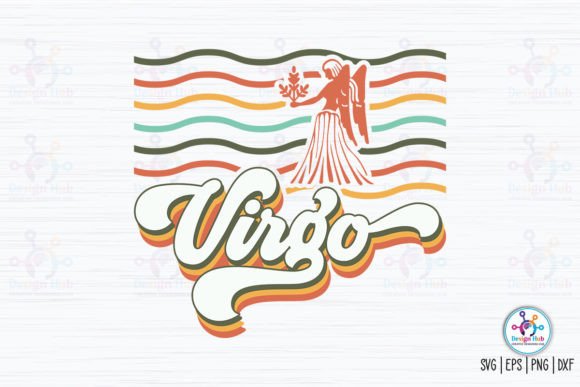
The moment you look at Virgo Retro SVG, it captures a specific nostalgia that feels both timeless and trendy. The retro styling suggests a vintage 70s influence, which is currently dominating the fashion landscape. For an embroidery designer, the layout is immediately promising. Unlike many modern designs that rely on excessive detail which can get lost in stitching, this design appears to balance clean lines with enough texture to create visual interest. It creates a mood that is warm, inviting, and slightly whimsical, making it perfect for personalization projects where the customer wants something unique but not overly complicated.
When I imagine this design on a finished product, it screams "boutique quality." The shapes feel substantial enough to hold their form on a heavy cotton tote bag without collapsing, yet delicate enough to grace a baby onesie without looking overwhelming. This versatility is rare. Many designs fall into one category or the other, but Virgo Retro SVG seems to bridge the gap between bold statement pieces and subtle, elegant accents. The visual personality is confident, suggesting that the final embroidered patch or shirt will command attention in a crowded Etsy shop or craft market.
Real-World Application: From Screen to Stitch
To truly understand the value of a design, you have to put it through a real-world scenario. Let's say I am preparing a custom order for a small business owner who sells bohemian-style home decor. They need a batch of embroidered aprons and kitchen towels for the upcoming holiday season. I pulled up Virgo Retro SVG to test its viability for these items.
The first thing I noticed was how well the design would handle the texture of linen or canvas. On a smooth t-shirt, the details might be sharp, but on a textured fabric like a tea towel, the retro curves could either blend beautifully or get muddy depending on the stitch density. Based on the file structure, I suspect it handles fill stitches very well, creating a solid block of color that stands out against a neutral background. Imagine a cream-colored pillow cover with the Virgo symbol stitched in a deep sage green thread; the contrast would be striking, elevating the perceived value of the item significantly.
I also considered its use on custom apparel for a boutique brand. If a client wanted a sweatshirt featuring this zodiac sign, the design would likely sit perfectly centered on the chest or back. The retro vibe pairs exceptionally well with vintage-wash fabrics, giving the garment an instant story. For a craft fair, I envision these designs being used on patches sewn onto denim jackets or beanies. The shape allows for a clean border, which is crucial for embroidered patches to ensure they don't fray or look unfinished after washing.
Navigating Technical Challenges and Limitations
However, no design is without its pitfalls, and as a professional reviewer, I must point out where Virgo Retro SVG requires extra caution. One of the biggest risks in embroidery is trying to force a design into a space that is too small. If you attempt to stitch this on a tiny cap brim or a miniature baby bootie, the fine details of the retro elements might merge together, resulting in a blob rather than a clear symbol. Always check your hoop size before committing to a project.
Fabric choice is another critical factor. While this design looks great on stable materials, stretchy knits like thin jersey or loose-weave fabrics can cause distortion. The tension required to stitch the satin edges of the retro shapes might pucker the fabric if you do not use the proper stabilizer. Similarly, working with dark fabrics requires careful consideration of thread colors. A light-colored design on a black hoodie might require a heavy underlay, which adds bulk and changes the drape of the garment. You must test the thread contrast to ensure the design remains legible and doesn't look muddy.
Detailed corners and tiny lettering are also areas to watch. If the design includes small text or intricate flourishes, these are the first things to disappear during the stitching process, especially on curved surfaces like caps or rounded tote bags. The curvature of the surface can flatten the design, making sharp angles look soft. For commercial embroidery projects where consistency is key, this variability can be a dealbreaker unless you have advanced digitizing skills to adjust the file locally.
Practical Notes for the Embroidery Designer
If you are planning to use Virgo Retro SVG for your next embroidery project, here are some essential steps to ensure success:
- Test on Scrap Fabric: Never start with your final product. Run a test on a scrap piece of the same material to see how the stitch density affects the fabric hand-feel.
- Check Stabilizer Needs: Ensure you have the right backing (cut-away or tear-away) to support the weight of the design, especially for heavier items like hoodies.
- Review Thread Colors: Create mockups in black and white first to verify that the contrast holds up, then select threads that complement the retro palette.
- Inspect Small Details: Zoom in on the file to see if any tiny lines are thinner than the needle can physically stitch. You may need to simplify the design manually.
- Verify Licensing: Before selling finished products, confirm whether the digital embroidery file allows for commercial use. Some licenses restrict the number of units you can sell.
Impact on Product Value and Brand Perception
Using a well-crafted design like Virgo Retro SVG directly influences customer trust and brand consistency. In the craft business, buyers are increasingly discerning. They can tell the difference between a mass-produced, poorly digitized image and a thoughtful, professionally executed piece. When a customer receives a personalized gift with crisp, clean stitching and a design that looks intentional, they are more likely to return and recommend your shop.
This design asset helps elevate the presentation of your handmade product. Whether you are listing a tote bag design on Etsy or creating holiday embroidery gifts, the retro aesthetic adds a layer of sophistication. It signals to the buyer that you care about the details, which justifies a higher price point. Furthermore, the versatility of the file means you can maintain a cohesive look across different design assets, from printable mockups to physical merchandise, strengthening your brand identity.
In conclusion, Virgo Retro SVG is more than just a graphic; it is a tool for creating meaningful, high-value items. It fits naturally into the workflow of an experienced designer who understands the nuances of machine embroidery design. By respecting its limitations and leveraging its strengths, you can produce finished products that resonate with customers and stand out in the competitive world of small shop products. Just remember to test, plan, and execute with precision to let the design shine.