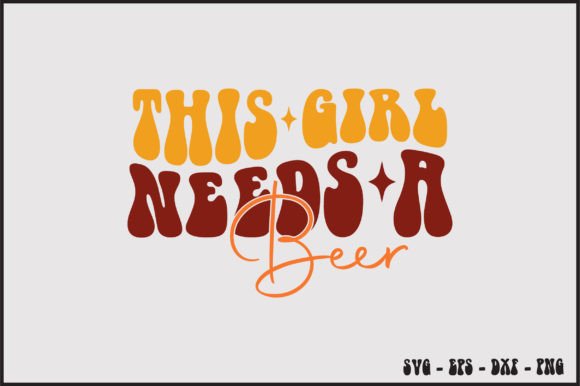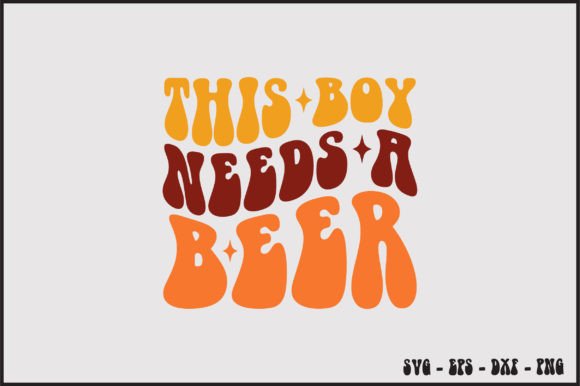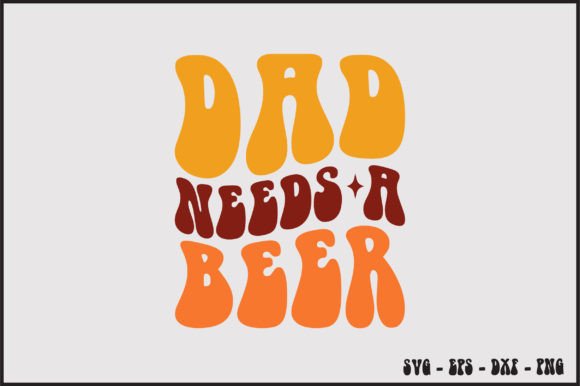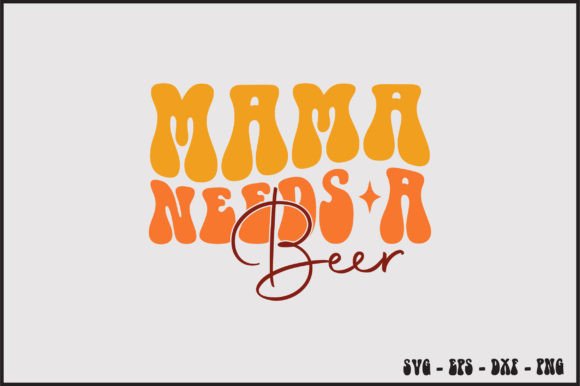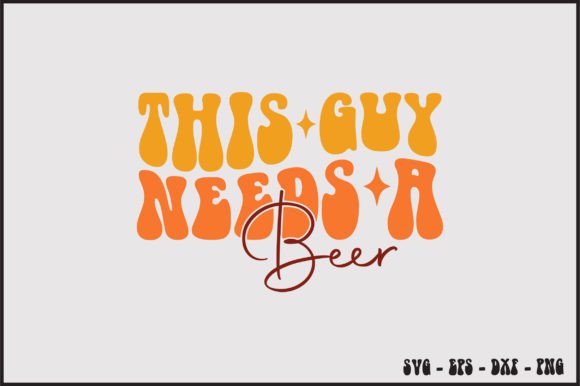
This Guy Needs a Beer Retro Svg Design
When I pull a new file into my digitizing software, I am not just looking at pixels or vector paths. I am already visualizing the needle movement, the tension of the thread, and how the final texture will sit on the fabric. As an experienced designer who reviews these assets for real-world application, I have learned that the difference between a mediocre handmade product and a boutique-quality item often comes down to design clarity and practical execution. Today, I am breaking down This Guy Needs a Beer Retro Svg Design to see if it holds up under the scrutiny of actual embroidery work, client projects, and commercial production.
First Impressions and Visual Personality
The immediate mood of this design is nostalgic yet punchy. The retro aesthetic suggests a vintage typography style or a classic illustration approach that resonates well with current trends in casual wear and lifestyle goods. For a machine embroidery design, the visual weight is crucial. If the elements are too thin, they disappear in the stitch; if they are too cluttered, the machine struggles to maintain stability.
This specific graphic strikes a balance. It feels like it belongs in the realm of custom apparel where personality is key. The layout appears structured enough to be legible from a distance but detailed enough to reward closer inspection. When I look at the negative space, I see opportunities for clean stitching without excessive trimming. This is the kind of embroidery project that signals confidence—it does not need to shout to be heard. It fits naturally into collections aimed at hobbyists, crafters, and small business owners who want to offer products with a distinct voice rather than generic clipart.
Real-World Application Scenarios
To truly understand the value of this asset, we have to move beyond the screen and imagine it on finished products. Let us consider a few realistic scenarios where This Guy Needs a Beer Retro Svg Design would shine.
- The Craft Fair Tote Bag: Imagine a sturdy canvas tote bag being sold at a weekend market. Placing this design on the front pocket creates an instant conversation starter. The retro theme pairs effortlessly with natural fabrics, making it a perfect fit for a tote bag design that appeals to shoppers looking for functional yet stylish accessories. The design’s boldness ensures it stands out against the neutral background of the canvas.
- Boutique Sweatshirts: For a small shop owner, creating a cozy, themed sweatshirt is a reliable revenue stream. This design works exceptionally well as a chest-level placement or a larger back print. The vintage vibe complements the soft texture of fleece or cotton blends. When customers buy a sweatshirt embroidery piece, they are buying comfort and identity. This graphic supports that emotional connection by offering a relatable, humorous, or cool statement that feels authentic rather than mass-produced.
- Personalized Gifts and Holidays: Gift-giving is a massive sector for handmade businesses. Whether it is a birthday present, a Father’s Day special, or a holiday stocking stuffer, this design has broad appeal. It can be adapted for holiday embroidery campaigns or used year-round as a fun, lighthearted gift. The versatility allows you to market it to various demographics, from college students to office workers, expanding your potential customer base.
- Kitchen and Home Decor: Do not overlook the utility aspect. This design could be stitched onto a high-quality apron or a set of tea towels. The durability required for kitchen items means the design must withstand washing, which brings us to the importance of proper digitization and stabilizer use. A well-executed handmade product in this category becomes a staple in the buyer’s home, reinforcing brand loyalty through repeated use.
Technical Considerations and Stitch Performance
As a reviewer, I must address the technical side. How does this digital embroidery file translate to the hoop? The success of any embroidery design lies in its stitch density and detail resolution. While the source files include SVG, EPS, DXF, and PNG formats, the final output depends on how the design is converted for your specific machine.
If the design relies heavily on tiny text or intricate lines, you need to ensure your machine can handle the precision. In my experience, designs with moderate complexity tend to produce the most consistent results across different machines. You should inspect the smaller details closely. Are there any sharp corners that might require additional trim threads? Is the spacing between elements sufficient to prevent thread breaks?
Thread color selection is another critical factor. The retro theme likely benefits from muted tones, earthy colors, or high-contrast combinations. Testing the design in black and white mockups first can help you evaluate the contrast levels before committing to expensive specialty threads. Proper thread color contrast ensures that every element of the finished product is visible and crisp.
Where Caution Is Required
No design is universally perfect, and knowing where to apply caution is part of professional practice. There are certain situations where this design might face challenges:
- Small Hoop Sizes: If you attempt to stitch this on a very small area, such as a baby onesie sleeve or a small patch, the details may become muddy. Ensure the hoop size you choose provides enough room for the design to breathe.
- Textured or Stretchy Fabrics: Materials like terry cloth, heavy denim, or spandex blends can distort the shape of the design. On stretchy fabrics, the risk of puckering increases. Always use the appropriate stabilizer to support the fabric during stitching.
- Dense Stitch Areas: If the design includes large fill areas, check the stitch density. Excessive density can make the fabric stiff and uncomfortable, especially for wearable items like caps or aprons that are worn daily.
- Frequent Washing: For items that will undergo rigorous laundering, such as kitchen towels or workwear, the longevity of the stitches is paramount. Poorly executed satin stitches or running stitches may fray over time. Reinforcing critical areas and using high-quality thread can mitigate this risk.
Impact on Brand and Customer Trust
For Etsy sellers and small shop product creators, the quality of your design directly impacts your brand reputation. A poorly digitized image can lead to returns and negative reviews, while a clean, professional execution builds trust. When customers receive a personalized gift or a custom apparel item that looks polished, they are more likely to leave positive feedback and recommend your shop to others.
This design contributes to a cohesive brand image because of its clear thematic direction. It helps in creating a recognizable style that buyers can associate with your store. Whether you are selling digital downloads or physical goods, having a library of well-tested designs like this one streamlines your workflow. You spend less time troubleshooting technical issues and more time marketing your design assets.
Practical Designer Notes for Implementation
Before adding this to your production queue, I recommend following a few best practices:
- Test on Scrap Fabric: Never run a new design directly onto your final product. Use scrap pieces of the intended fabric to test tension and stitch quality.
- Check Licensing: Confirm whether the license allows for commercial use of the finished items. This is essential for commercial embroidery businesses to avoid legal issues.
- Review Stabilizer Options: Depending on the fabric type, you may need cut-away or tear-away stabilizers. Choosing the wrong type can ruin the drape of the garment.
- Inspect Small Details: Zoom in on the digital preview. Look for any overlapping elements that might cause stitching conflicts.
- Create Printable Mockups: Use the PNG or SVG files to create realistic mockups for your online listings. This helps customers visualize the final result and increases conversion rates.
In conclusion, This Guy Needs a Beer Retro Svg Design offers a solid foundation for a variety of creative projects. Its retro charm and versatile layout make it suitable for everything from casual wear to home decor. By paying attention to the technical details—such as stitch density, fabric choice, and stabilizer use—you can transform this digital file into a high-quality handmade product that delights customers and strengthens your brand. For craft business owners and creative entrepreneurs, this design is a valuable addition to their toolkit, providing both aesthetic appeal and practical functionality.