Jolly Season Retro SVG: A Designer's Real-World Review
When I first opened the Jolly Season Retro SVG file, I didn't just see a vector; I saw a mood. There is something inherently nostalgic about that specific retro aesthetic, and for an embroidery designer, that translates to immediate potential. It feels like stepping into a cozy living room in December, complete with wool sweaters and hot cocoa. But as someone who has spent years turning digital assets into tangible, stitched products, my excitement is always tempered by practical questions. Will this hold up on a busy holiday tote bag? Is the detail level appropriate for a quick machine stitch, or will it require hours of hand finishing? This review looks at Jolly Season Retro SVG not as a marketing pitch, but as a tool in the workshop of a serious crafter.
The First Stitch: Visual Personality and Design Intent
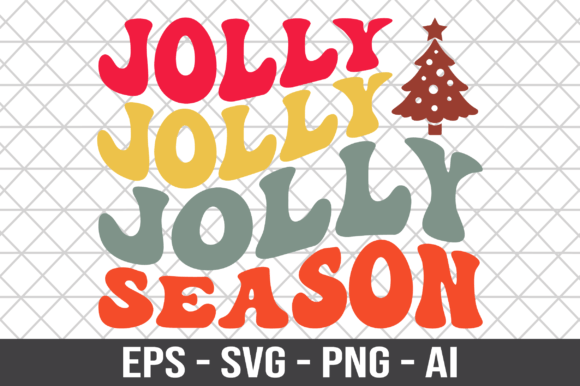
The Jolly Season Retro SVG immediately establishes a warm, inviting personality. The layout suggests a design meant to be centered and celebrated rather than hidden away. For designers looking to create holiday embroidery projects, the visual weight of this piece is perfect. It avoids the cluttered look of many modern Christmas graphics, opting instead for clean lines and a classic vibe that appeals to a broad audience. Whether you are targeting Etsy sellers or building a brand for a small shop product, this design offers a level of sophistication that elevates the perceived value of the finished item.
In terms of shape and theme, the retro style allows for versatility. It works beautifully on custom apparel like sweatshirts where a large chest graphic is desired, but it also has enough definition to work as a focal point on smaller items. The visual appeal is strong enough to stand alone without needing excessive embellishment, which is crucial for maintaining a professional look in your finished product. It signals quality before the customer even touches the fabric.
Real-World Application: From Screen to Fabric
Let's talk about a real scenario. Imagine you are preparing inventory for a craft fair next month. You need a standout item that screams "gift" but doesn't look mass-produced. You decide to use the Jolly Season Retro SVG to create a series of embroidered aprons and kitchen towels. As you load the embroidery file into your machine, the first thing you notice is how well the shapes translate. The curves flow naturally, suggesting that the satin stitch areas will lay flat without puckering.
This design excels when applied to tote bag designs made from sturdy canvas or cotton duck. The retro aesthetic pairs perfectly with natural fibers, creating a cohesive look that customers love. I also envision this working exceptionally well on baby clothing. The soft, rounded edges of the retro style make it safe and gentle for baby embroidery, avoiding sharp corners that might irritate delicate skin. If you are a maker selling personalized gifts, this file provides a solid foundation for adding names or dates without overwhelming the main motif.
For those running a craft business, the scalability of this vector is a major plus. You can resize the Jolly Season Retro SVG to fit a tiny hat patch or expand it for a full-back sweatshirt design. This flexibility means you aren't limited to one product line. You can create a matching set of a pillow cover, a tea towel, and a cap, all featuring the same recognizable branding element. Consistency is key in branding, and having a versatile asset like this helps maintain that uniformity across different materials.
Where Caution is Required: Technical Considerations
While the design is robust, no single file is a magic bullet for every situation. As an experienced reviewer, I must point out where Jolly Season Retro SVG requires careful handling. If you are working with small hoop sizes, you need to scrutinize the fine details. While the retro style generally avoids excessive complexity, any tiny text or intricate corner elements could get lost if the stitch density is too high for the available space.
Fabric choice plays a massive role here. On stretchy fabric like jersey knit, the design needs a heavy-duty stabilizer to prevent distortion. Similarly, on textured fabrics like bouclé or thick fleece, the needle penetration might be challenging, and the resulting texture of the thread could clash with the fabric weave. Dark fabrics present another challenge; while the design itself is likely black or dark outlines, the contrast against a navy or burgundy background might require a light underlay or a specific thread color strategy to ensure visibility.
Curved surfaces like caps or hats require special attention. The stitch density needs to be adjusted so the design follows the curve of the brim without bunching. If you plan to sell these as commercial items, you must test the durability. Products that undergo frequent washing, like kitchen towels or aprons, need to withstand friction. If the design relies heavily on running stitch for long periods, it might snag. Always check the thread colors you intend to use; some retro palettes might fade faster than others depending on the dye lot.
Design Assets for the Professional Maker
The inclusion of multiple file formats—AI, EPS, SVG, and Transparent PNG—is a significant advantage for the digital embroidery file user. Having the SVG ensures you can edit the paths if needed, while the PNG is perfect for creating printable mockups to showcase your work on social media or your online store. This variety supports both the creative process and the marketing side of your commercial embroidery venture.
For the embroidery project workflow, this design fits seamlessly into a production pipeline. It allows for efficient batching. You can set up your hooping and stabilizing once and run through a batch of similar items, knowing the design will perform consistently. This reliability builds customer trust. When buyers receive a product where the stitching is crisp and the alignment is perfect, they are more likely to return and recommend your shop.
Practical Notes Before You Stitch
Before you commit to a full production run with Jolly Season Retro SVG, there are a few non-negotiable steps for any responsible designer. First, always test the design on scrap fabric that matches your final material. This reveals how the stabilizer interacts with the specific weave and whether the tension settings need adjustment. Second, inspect the small details closely. Zoom in on the digital file and then examine the physical sample to ensure no tiny elements have been simplified during conversion.
Check the licensing terms carefully. Even though you own the file, the rules regarding selling finished goods versus reselling the digital asset can vary. Confirm whether you are allowed to use this for commercial projects and if there are limits on the number of units you can produce. Finally, compare the design in black and white mockups to ensure the composition holds up without the distraction of color. This step helps verify that the layout is balanced and effective regardless of the thread palette you choose.
Ultimately, Jolly Season Retro SVG is a strong candidate for your collection of design assets. It balances nostalgia with modern utility, offering a reliable base for everything from personal gifts to boutique merchandise. By understanding its strengths and respecting its limitations, you can turn this vector into a profitable, beautiful reality. Happy stitching, and may your holiday season be filled with creativity and successful sales.