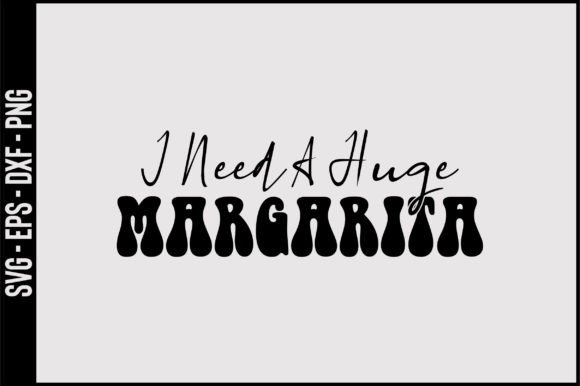
I Need a Huge Margarita Retro Svg Desig Review
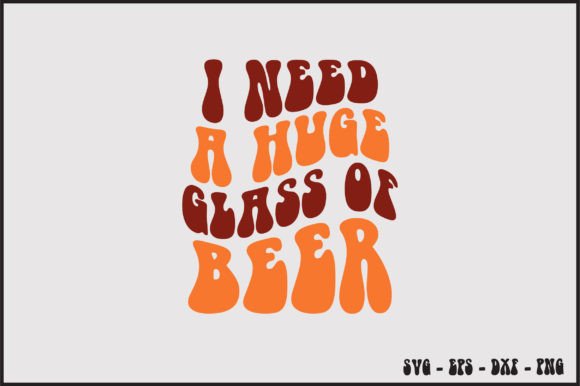
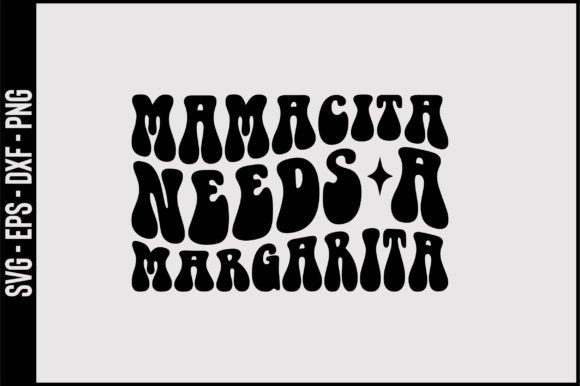
When I first opened the file for I Need a Huge Margarita Retro Svg Desig, my immediate reaction was one of genuine excitement. As someone who has spent years reviewing embroidery designs and testing them on everything from delicate baby onesies to heavy-duty canvas totes, I know that the difference between a good design and a great one often lies in the initial visual impact. This piece doesn't just sit there; it pops with a specific, nostalgic energy that feels perfect for the current market trend of retro aesthetics mixed with modern casual wear.
The mood this design creates is undeniably fun and inviting. It screams summer, relaxation, and celebration. The layout suggests a large-scale application rather than a tiny detail, which immediately tells me where this belongs: on the chest of a sweatshirt, the front panel of a tote bag, or perhaps as the centerpiece of a kitchen towel set. For an embroidery designer looking to add a splash of personality to their crafts and graphics inventory, this file offers a strong foundation for creating products that customers will actually want to wear or display.
Real-World Application: From Digital File to Finished Product
Let's talk about how this design performs when it leaves the screen and hits the hoop. Imagine you are preparing a custom order for a local boutique or setting up your Etsy shop for the upcoming holiday season. You decide to use I Need a Huge Margarita Retro Svg Desig on a heavyweight cotton canvas tote bag. Because the design implies a "huge" scale, it works beautifully against the open space of a tote, creating a statement piece that stands out on a craft fair table.
However, if you were to try to shrink this down to fit on a small patch for a baseball cap, the results might be less impressive. The retro style relies on bold shapes and clear lines to convey its message. When stitched onto a curved surface like a cap, the lettering needs to be legible even at an angle. If the design includes intricate details or very small text, those elements could get lost in the stitching process, especially if the fabric texture is rough or the thread density is too high. In my experience, this design shines brightest on flat surfaces where the stitch count can breathe.
Consider a scenario involving personalized gifts. A customer orders a matching set of embroidered aprons for a bridal shower or a housewarming party. Using this design on the apron pocket adds a touch of humor and warmth. The visual appeal here is crucial because it elevates the perceived value of the item. A simple text-based design can sometimes feel generic, but the specific retro vibe of I Need a Huge Margarita Retro Svg Desig gives the finished product a unique character that customers appreciate. It transforms a standard kitchen towel into a conversation starter.
Technical Considerations for Embroidery Designers
Before you hit the start button on your machine, there are practical steps every professional must take. First and foremost, you need to verify the file formats included in the download. While the listing mentions SVG, EPS, DXF, and PNG, these are vector and raster formats used for cutting machines and printing. They are not native embroidery files (like .PES or .DST). This means you will likely need to digitize this graphic yourself or convert it using software that translates vectors into stitch data. If you are a seasoned embroiderer, this is a straightforward task, but it requires careful attention to detail.
Once you have converted the design into a usable format, you must evaluate the stitch density. A design that looks crisp on a monitor can become a dense, puckered mess on fabric if the fill stitches are too tight. For a design with this much visual weight, I recommend checking the stitch count to ensure it isn't overwhelming the fabric. On thin materials like a light t-shirt or a sheer curtain, a heavy fill stitch could cause the material to warp. Conversely, on thick denim or fleece, the design needs enough density to stand out without sinking into the pile.
Stabilizer selection is another critical factor. Since this design is intended to be "huge," it covers a significant area. Without proper support, the edges of the design might pull inward during stitching. Always test on scrap fabric first. I suggest using a cut-away stabilizer for woven fabrics like cotton or linen to ensure longevity, especially for items that will undergo frequent washing. If you are working with stretchy knits, a tear-away might suffice, but only after confirming that the design doesn't distort the fabric grain.
Where to Use and Where to Be Cautious
This design is a fantastic asset for commercial embroidery projects, particularly for small business owners looking to create cohesive branding. Imagine a line of merchandise featuring this retro motif on sweatshirts, pillow covers, and even baby clothes. The versatility allows for a wide range of products, from nursery decor to adult apparel. However, caution is advised when applying this to textured fabrics. If you choose a bouclé or a heavily brushed fleece, the definition of the retro lines may be lost, making the design look muddy rather than crisp.
Dark fabrics present another challenge. If you plan to use this on black or navy garments, you will need to select thread colors that offer high contrast. A light-colored thread will pop against a dark background, ensuring the text and graphics remain legible. If you opt for a dark thread on a dark fabric, the design might blend in too much, defeating the purpose of a bold statement piece. Always review the design in black and white mockups before committing to a final colorway to ensure the composition holds up without the aid of color.
For hobbyists and makers, this design is perfect for creating one-of-a-kind personalized gifts. Whether it is a custom hat for a bachelorette party or a decorative pillow for a home bar, the emotional connection a customer feels to a well-executed design is palpable. But remember, if you are selling finished items, you must confirm the licensing terms associated with the digital file. Some licenses allow for personal use only, while others permit commercial sales of physical goods. Ignoring these terms can lead to legal issues, so always read the fine print regarding commercial embroidery rights.
Final Thoughts on Visual Appeal and Professionalism
In the world of handmade products, presentation is everything. A design like I Need a Huge Margarita Retro Svg Desig can significantly enhance the professionalism of your brand. When customers see a clean, well-stitched design on a high-quality product, they trust the maker more. They are willing to pay a premium for items that look polished and thoughtfully designed. The retro theme taps into a sense of nostalgia that resonates with many buyers, making it a smart choice for designers aiming to capture a specific demographic.
To summarize, this design is a powerful tool for anyone involved in the creation of custom apparel, digital assets, or handmade crafts. It offers a balance of style and functionality that, when executed correctly, results in a stunning finished product. By paying attention to hoop size, fabric choice, and thread selection, you can ensure that the final output matches the vibrant potential seen in the digital preview. Whether you are an Etsy seller expanding your catalog or a hobbyist making a gift for a friend, taking the time to properly prepare this design will pay off in the quality of the final result.
Ultimately, the success of any embroidery project comes down to the care put into the process. Test your threads, check your tension, and don't rush the stabilization phase. With the right approach, I Need a Huge Margarita Retro Svg Desig can become a staple in your collection of design assets, ready to bring a splash of retro flair to any project you undertake.